The best discounts this week
Every week you can find the best discounts here.
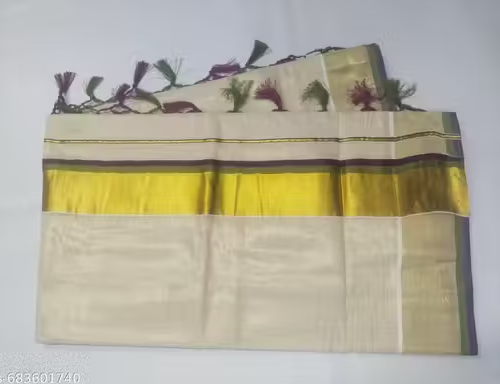
OSB double colour golden tissue saree 6.25 m with kunjam – nagapalam / olive
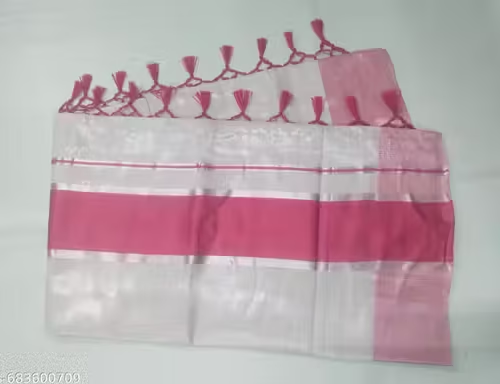
5″ drill tissue saree rose copper saree 6.25 m with kunjam – rani rose
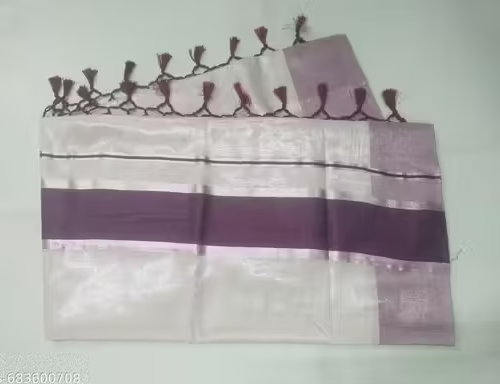
5″ drill tissue saree rose copper saree 6.25 m with kunjam – nagapalam
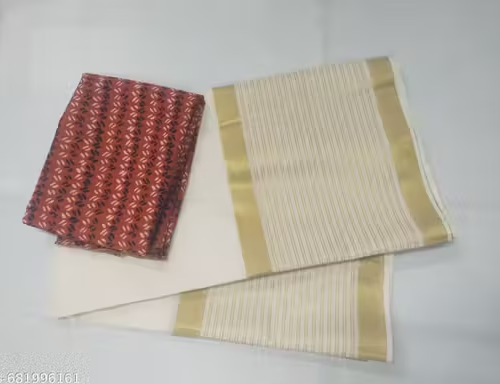
big border 2 lines cotton saree 5.50 m with printed blouse 1 m – rust orange
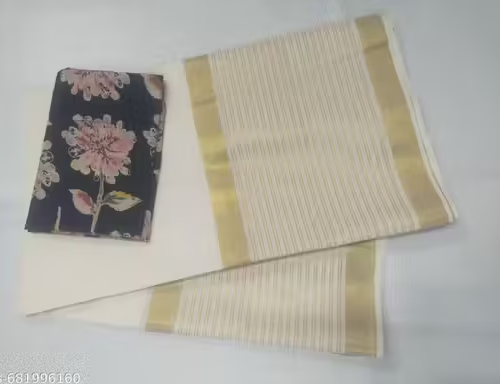
big border 2 lines cotton saree 5.50 m with printed blouse 1 m – black big flower
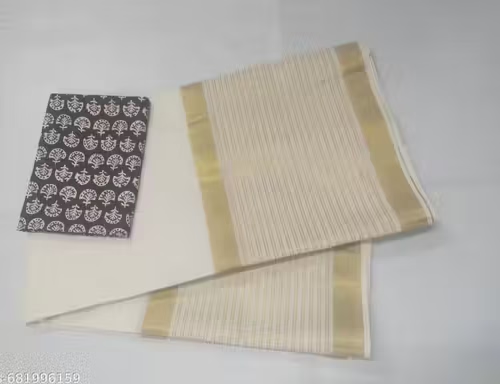
big border 2 lines cotton saree 5.50 m with printed blouse 1 m – black anchorr
How to Wash a Kerala Saree at Home: Care Guide for Kasavu, Tissue and Cotton Sarees
A Kerala saree is one of those pieces you want to wear again and again. The off-white body, the gold or silver border and the clean drape make it a favourite for Onam, Vishu, temple visits and weddings. But after the celebrations are over, one question always comes up: how do you wash a Kerala saree without ruining the border?
The good news is that Kerala sarees are easy to look after once you know a few simple rules. In this guide, we walk you through how to wash, dry, starch, iron and store kasavu, tissue and cotton Kerala sarees at home, so your saree stays bright and festival-ready for years.
Quick Answer: How to Wash a Kerala Saree
Hand wash your Kerala saree separately in cold water with a mild liquid detergent. Soak it for no more than 10 to 15 minutes, gently squeeze the water through the fabric (never scrub or wring the border), rinse well, and dry it flat or folded over a line in the shade. Iron the border from the reverse side and store the saree folded in a cotton cloth, not in plastic.
Know Your Saree First: Kasavu, Tissue or Cotton?
Not every Kerala saree is made the same way, and the fabric decides how gentle you need to be.
- Kasavu cotton sarees have a soft cotton body with a woven zari (kasavu) border. The cotton is forgiving, but the zari border needs care.
- Tissue sarees have metallic threads woven through the body, which gives them that festive shimmer. They are the most delicate and crease easily.
- Coloured-border cotton sarees are the easiest to maintain, but bright borders and printed blouse pieces can release colour in the first few washes.
If you are not sure which type you have, check the product description or the label. You can browse all three styles in our Kerala sarees collection.
Step-by-Step: How to Hand Wash a Kerala Saree
1. Do a colour test before the first wash
Dip a small, hidden corner of the border or blouse piece in water and press it with a white cloth. If colour comes off, wash that saree on its own and keep the first few washes short. Always wash a new saree separately.
2. Use cold water and a mild detergent
Fill a bucket with cold or room-temperature water and mix in a small amount of mild liquid detergent or a gentle wash meant for delicates. Hot water and strong detergent powders can shrink cotton, fade colours and dull the zari. Never use bleach, even on an off-white saree.
3. Soak briefly, not overnight
Let the saree soak for 10 to 15 minutes. Long soaking loosens dye from coloured borders and is hard on metallic threads.
4. Squeeze gently, never scrub the border
Move the saree around in the water and gently press the fabric between your palms. Do not rub, brush or beat the zari border. Scrubbing pulls the metallic threads loose and makes them look rough.
5. Rinse until the water runs clear
Rinse two or three times in fresh cold water so no detergent is left behind. Leftover soap can leave patches and attract dust.
6. Remove water without wringing
Do not twist the saree. Instead, fold it loosely and press the water out, or roll it inside a dry towel to soak up the extra moisture.
Extra Care for Tissue Sarees
Tissue sarees need the lightest touch. If yours is only lightly worn, simply air it out instead of washing it every time. When it does need cleaning, either choose dry cleaning or follow the hand-wash steps above with an even shorter soak and no squeezing of the shimmer area. Avoid heavy starch on tissue, as it can make the metallic threads stiff and prone to cracking along folds.
Many of our golden tissue sarees with kunjam are made for festive wear, so a little care after each use keeps that shine for many seasons.
Can You Wash a Kerala Saree in a Washing Machine?
Hand washing is always the safest choice. If you must use a machine for a plain cotton Kerala saree, put it in a mesh laundry bag, choose the delicate or hand-wash cycle with cold water and the lowest spin speed, and wash it alone. Avoid machine washing tissue sarees and sarees with heavy zari work.
How to Dry a Kerala Saree
- Dry in the shade. Strong direct sunlight can turn off-white cotton yellow and dull the gold border.
- Spread it out. Fold the saree once or twice and drape it over a wide line so the weight is spread evenly.
- Do not hang it by the border. Clipping or hanging the zari edge can stretch and distort it.
- Take it in while slightly damp if you plan to starch or iron it. This makes pressing much easier.
How to Starch a Kerala Cotton Saree for That Crisp Look
That crisp, neat pleat many people love in a Kerala saree comes from starch. The traditional method uses diluted rice starch (kanji), but a ready-made fabric starch works just as well. Mix it with water, dip the cotton saree after the final rinse, squeeze gently and dry in the shade. Start with a light starch. You can always add more next time, but a heavily starched saree can feel stiff and crack along the folds.
Starching works best on cotton and kasavu cotton sarees. Skip it or keep it very light for tissue sarees.
How to Iron a Kerala Saree Without Damaging the Zari
- Iron the saree while it is still slightly damp, or use a spray bottle.
- Use medium heat for cotton and low heat for tissue.
- Turn the saree over and iron the zari border from the reverse side, or place a thin cotton cloth over it.
- Never press a hot iron directly on the zari or on the shimmer of a tissue saree.
How to Store a Kerala Saree So It Lasts for Years
Good storage matters as much as good washing, especially for sarees you only wear once or twice a year.
- Wash before storing. Sweat, food and makeup marks that sit for months are much harder to remove and can leave yellow patches.
- Wrap it in cotton or muslin cloth. Plastic covers trap moisture and can cause mildew and yellowing.
- Refold every few months. Zari can crack if it is folded along the same line for too long. Change the folds and let the saree air for a few hours.
- Keep it dry and away from direct light. A closed wardrobe shelf works well. Wrapped neem leaves or cloves help keep insects away; keep naphthalene balls from touching the fabric directly.
- Avoid metal hangers. They can leave rust marks and pressure lines.
Quick Care Cheat Sheet
| Care step | Kasavu cotton | Tissue | Coloured-border cotton |
|---|---|---|---|
| Washing | Hand wash, cold water | Dry clean or very gentle hand wash | Hand wash, cold water, separately at first |
| Soaking time | 10 to 15 minutes | 5 minutes or less | 10 minutes |
| Starch | Light to medium | Avoid or very light | Light |
| Ironing | Medium heat, border from reverse | Low heat, with a cloth on top | Medium heat |
| Drying | Shade, spread out | Shade, flat if possible | Shade, inside out |
Common Mistakes to Avoid
- Washing a new saree together with other clothes.
- Using hot water, bleach or harsh detergent powder.
- Wringing or scrubbing the border.
- Drying in strong afternoon sun.
- Spraying perfume directly on the zari, which can tarnish it.
- Storing the saree in a plastic bag for months.
The Same Rules Work for Set Mundu
Everything in this guide also applies to the set mundu, which shares the same cotton body and kasavu border. If you are planning to buy one, read our guide on finding the best set mundu below 500. And if you are still choosing your saree for the next festival, our Kerala Onam saree guide covers styles, tradition and what to look for.
Frequently Asked Questions
How often should I wash a Kerala saree?
Wash it after every one or two wears, or whenever it is stained or sweaty. If it was worn only for a short time and looks clean, airing it in the shade is often enough, especially for tissue sarees.
Will a Kerala cotton saree shrink after washing?
Pure cotton can shrink slightly in the first wash, mainly if hot water is used. Washing in cold water and drying in the shade keeps shrinkage to a minimum.
How do I keep the gold border from turning dull or black?
Avoid perfume, moisture and plastic storage, which are the main causes of tarnish. Store the saree wrapped in cotton cloth, refold it every few months and never iron directly on the zari.
How do I remove an oil stain from a Kerala saree?
Act quickly. Sprinkle talcum powder or cornflour on the stain to absorb the oil, leave it for a few hours, brush it off gently, then wash as usual. Do not rub the stain, and keep any stain treatment away from the zari border.
Should I dry clean my Kerala saree?
Cotton and kasavu cotton sarees do well with careful hand washing at home. Dry cleaning is a good choice for tissue sarees, heavily worked sarees or any saree with a stubborn stain.
Keep Your Kerala Saree Beautiful for Every Festival
A Kerala saree does not need complicated care. Cold water, a gentle hand, shade drying and cotton-wrapped storage are all it takes to keep the off-white crisp and the border shining. Treat your saree well and it will be ready for every Onam, Vishu and wedding to come.
Looking for a new one to add to your collection? Explore our Kerala kasavu, tissue and cotton sarees, with free delivery on all orders across India.
Post Widget